FREE HOME DELIVERY ON ORDERS OVER £30 • SAME DAY SHIPPING WHEN YOU ORDER BY 12PM
FREE HOME DELIVERY ON ORDERS OVER £30
SAME DAY SHIPPING WHEN YOU ORDER BY 12PM
FREE HOME DELIVERY ON ORDERS OVER £30 • SAME DAY SHIPPING WHEN YOU ORDER BY 12PM
FREE HOME DELIVERY ON ORDERS OVER £30
SAME DAY SHIPPING WHEN YOU ORDER BY 12PM
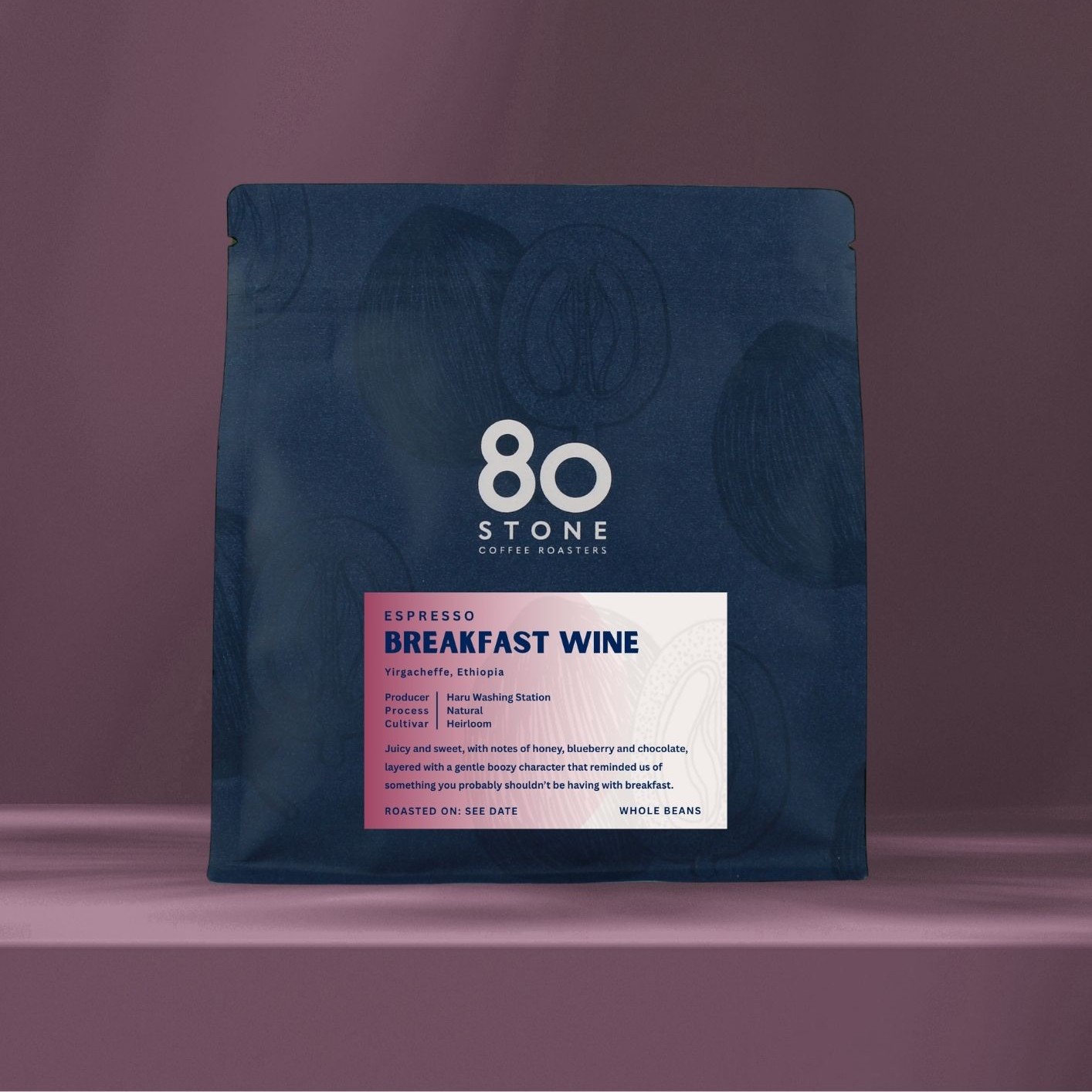
We’ve chosen to develop this Ethiopian a little further than a typical light roast to bring out a richer, more balanced cup without losing the vibrant character the origin is known for. The result is a coffee with greater body, plenty of sweetness, and enough structure to shine as both espresso and filter.
For espresso, we recommend pulling a slightly shorter shot than usual. We enjoy this coffee at around 34g out from an 18g dose, producing a syrupy espresso with concentrated fruit sweetness that pairs beautifully with milk.
As a filter coffee, expect a fuller-bodied cup with deeper chocolate notes alongside a more pronounced fruit character. It works particularly well with immersion brew methods, where its sweetness and complexity are given plenty of room to shine.
Body
Acidity
Tasting notes
Roast level
For consistent results, we recommend brewing with measured inputs rather than estimating by eye. Always use a digital scale to weigh both your coffee dose and water. As a baseline, use a brew ratio of 60–70g of coffee per litre (1000g) of water. This range can be adjusted depending on the brewing method, water composition, and the specific coffee you’re working with. Control your variables, make small adjustments, and use taste to guide your final recipe.
Consistency in espresso comes from working within the parameters of your equipment. Use the dose recommended for your basket (usually marked on the side or provided by the manufacturer) and keep it consistent. As a starting point, aim for a brew ratio of around 1:2 — for example, 18g of coffee yielding 33–35g of espresso in the cup. Target an extraction time of 22–30 seconds, with a brew water temperature between 93–95°C. From there, adjust grind size to control flow and use taste to fine-tune the result.
For method-specific guidance, you can find all of our brew guides here.
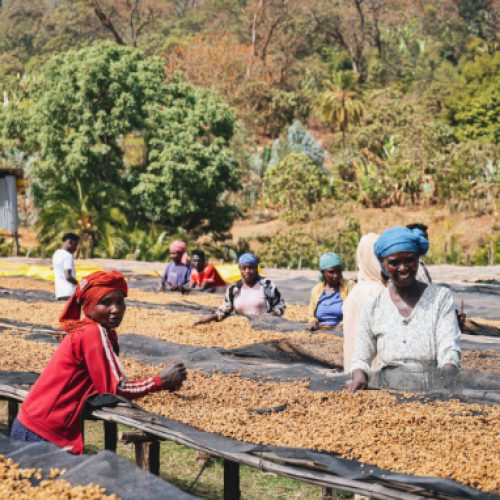
Haru is a washing station just outside the infamous Yirgacheffe, but with a distinct enough profile to demand its own recognition. First set up in 1979, the current owner, Komilachu, has taken on a piece of Ethiopian history, as this was one of the first washing stations to bring quality Ethiopian coffee to a worldwide audience.
With 320 raised beds across just over 4 hectares, Komilachu has been working with Tracon, who
export this coffee for us, for over 10 years now. Relationships like this are important due the
particular way that coffee buying works in Ethiopia. Controls have started to be relaxed so that these may now flourish and coffee can be sold ‘forward’, rather than bought as spot coffee through the ECX.
A washing station is not allowed to also export their coffee, so has to work with an additional exporter. Komilachu also owns a small farm next door to the washing station that also contributes to the lots. Like most of the area, coffee is shade grown under a mixture of endemic species, in line with its history.
Although coffee is from Ethiopia, over generations people have selected varietals that work best for them in their circumstances. This means that there is a varietal dominance in each landscape, often being described as heirloom for ease. 74112 which dominates here is a Kurume ‘type’ coffee, with similar morphological characteristics to a good yielding indigenous fruit tree. It is common to name coffee selections after local characteristics and this was the case where the coffee tree resembled the ‘Kurume’ fruit tree.
Always the best choice. Grind at home for maximum freshness and full control over your coffee.
Our coarsest grind. Ideal for Cafetiere, Chemex, Cold Brew, and Batch Brew.
Works well for cone brewers like V60, and flat-bottom brewers like Kalita or other pour-over brewers.
A finer grind suited to Moka pots, AeroPress, and most domestic espresso machines with pressurised baskets.
Very fine and intended for commercial espresso machines. For best results, grinding fresh is recommended.