Coffee That Does Good
Our Bit For The Environment
Sustainability
At 80 Stone Coffee Roasters, sustainability isn’t a marketing exercise. It’s part of how we work, every day. We don’t claim to have all the answers, and we’re certainly not perfect. What we do aim for is progress: making thoughtful decisions at every stage of roasting, packing and supplying coffee, and constantly questioning how we can do things better.
Good coffee depends on healthy environments, strong communities and long‑term thinking. That belief shapes how we source our coffees, how we run our roastery, and how we design the products you brew at home or serve to your customers.
Packaging & Everyday Decisions
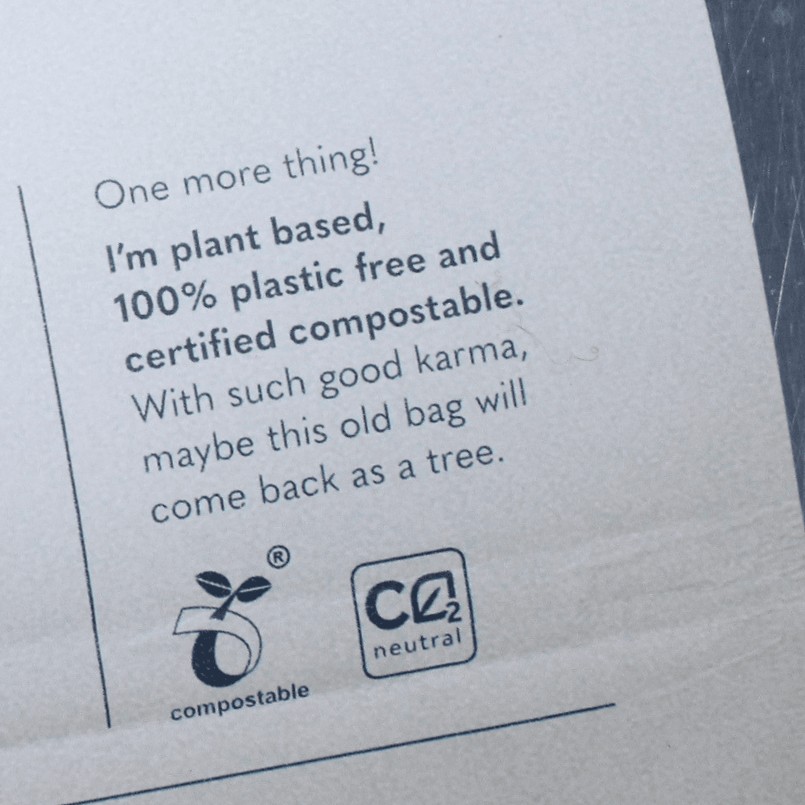
Packaging is one of the biggest challenges in coffee, and it’s something we continually review. Our 250g and 1Kg bags are created from plants and are now certified compostable. When we were seeking sustainable options for our coffee bags, using recyclable plastic was one possibility. However, this would have required producing new plastic as recycled ones are not deemed safe for coffee packaging. That’s why we opted for plant based compostable materials as a more environmentally friendly choice to minimise the production of new plastic.
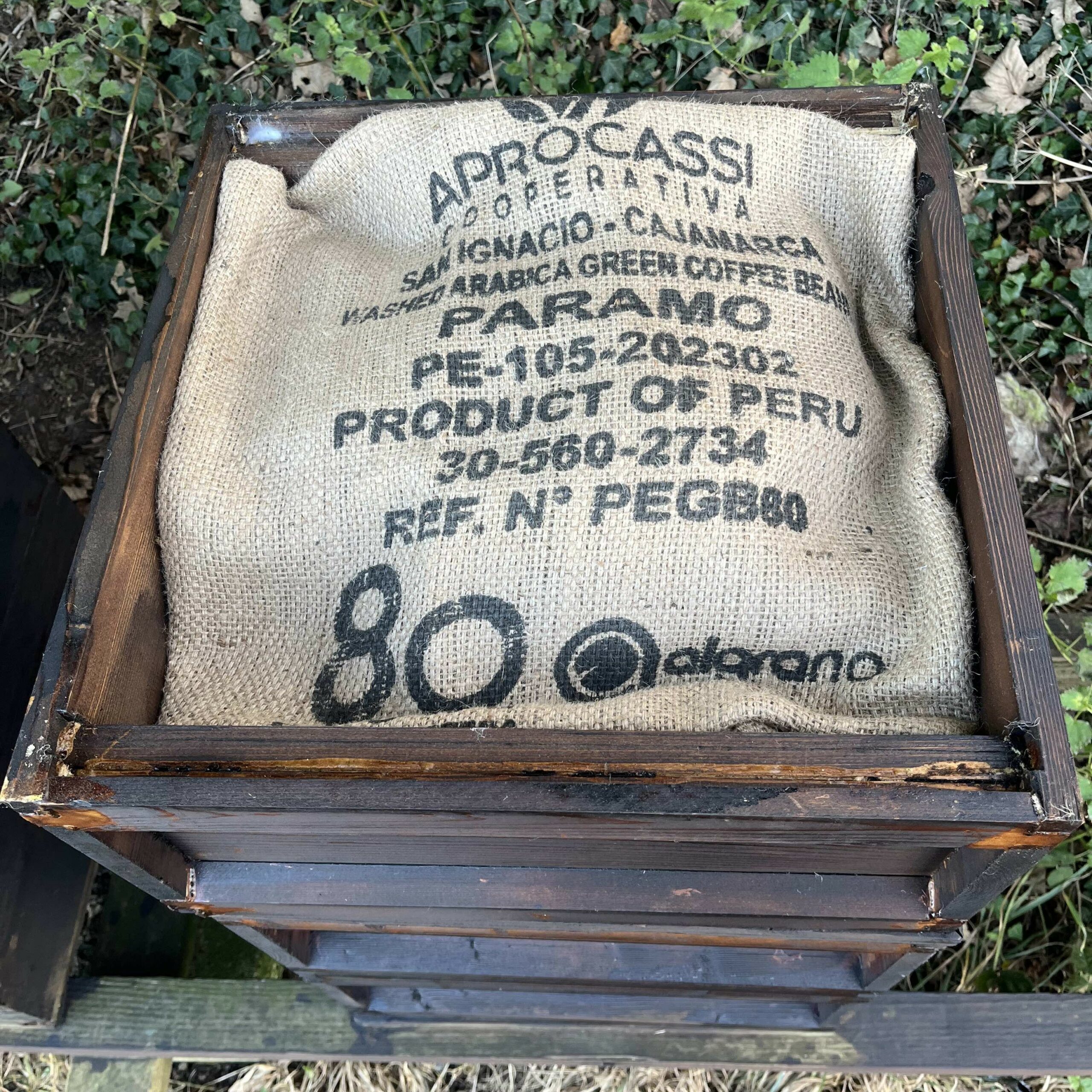
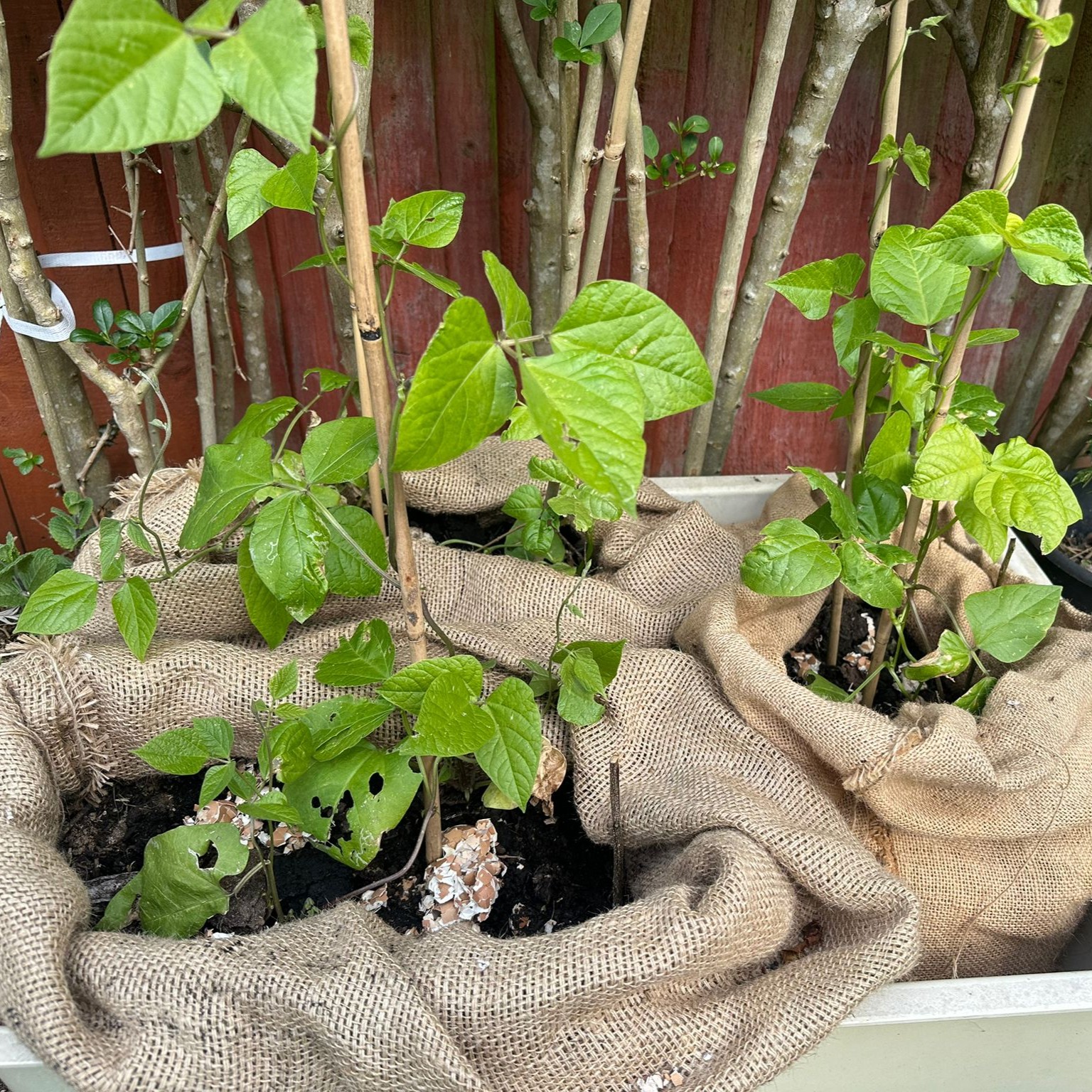
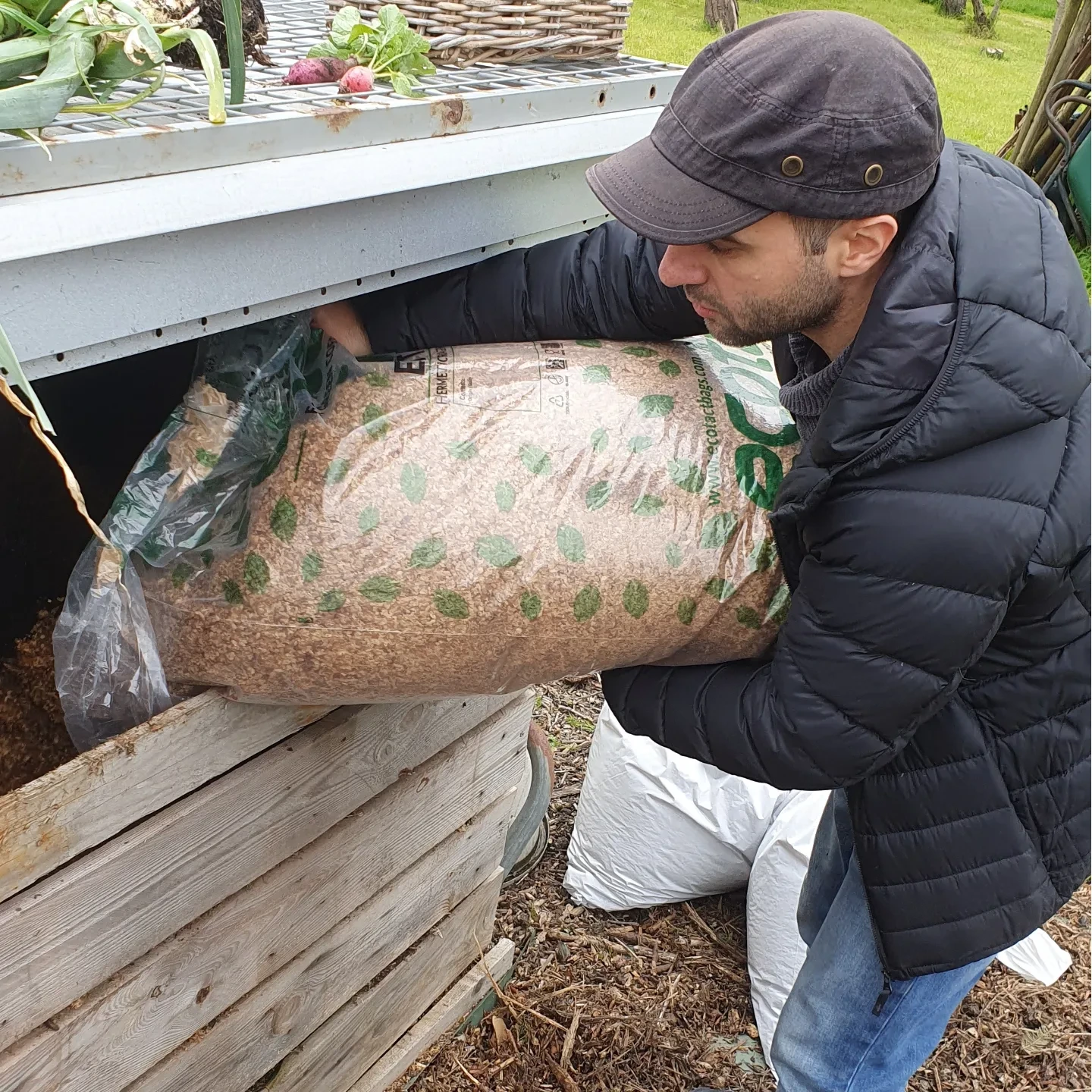
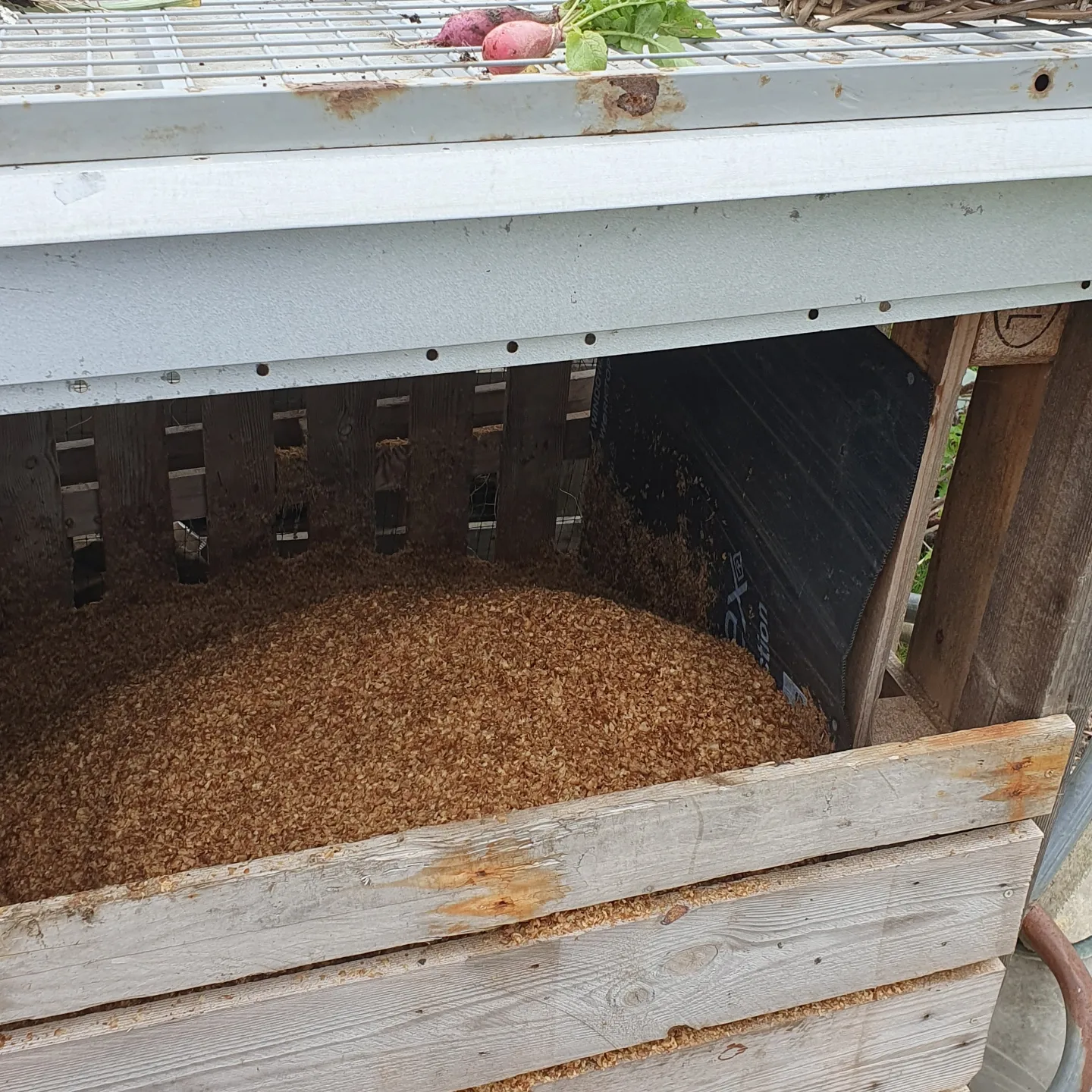
Beyond packaging, sustainability shows up in countless small decisions: recycling, re‑using materials, donating coffee chaff locally, and choosing suppliers who share our values. None of these actions are revolutionary on their own, but together they make a meaningful difference.
What it means for you
Are these bags home or industrially compostable? And what does it mean?
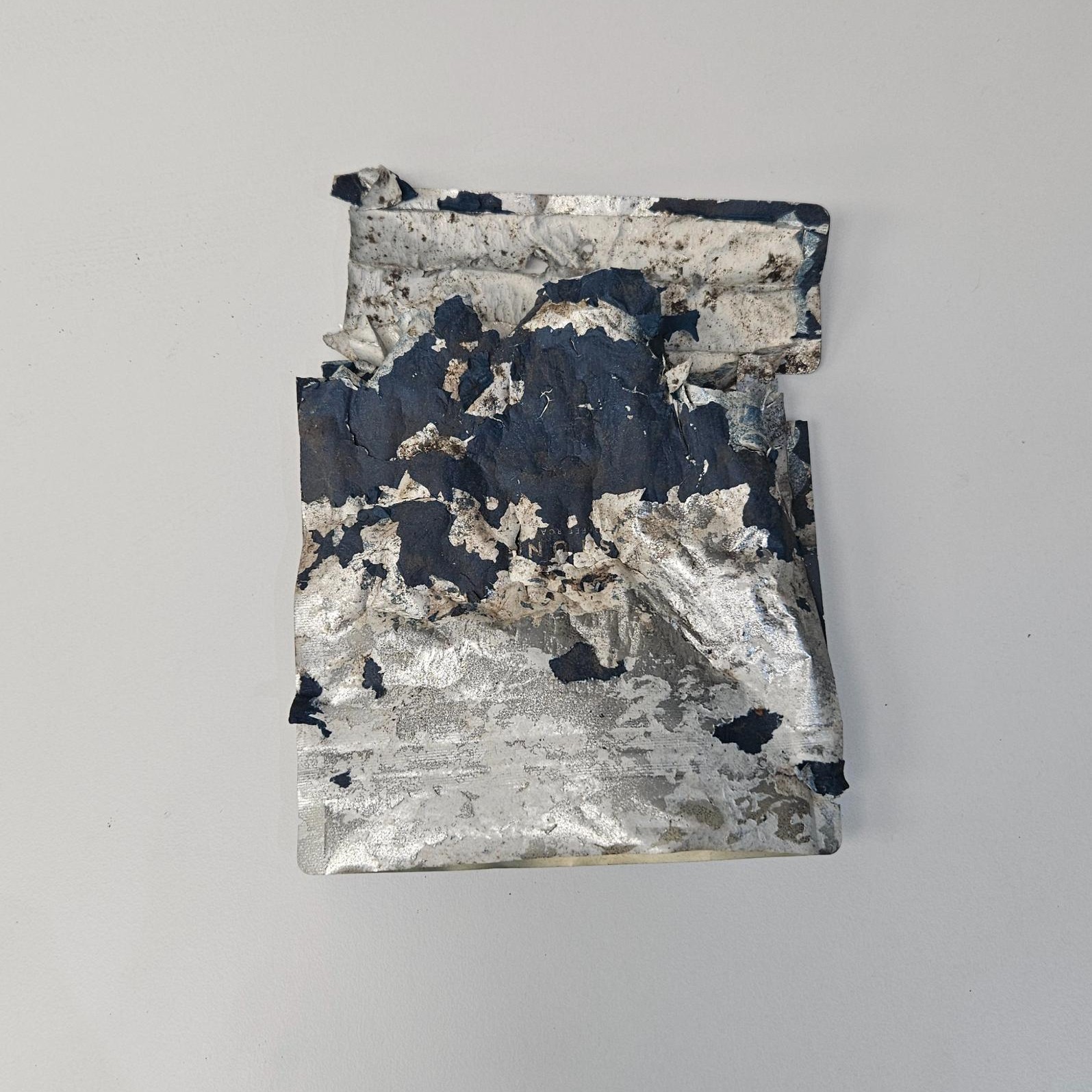
While we use compostable and lower-impact packaging wherever possible, it’s important to be honest: in the UK, facilities that process compostable waste are still limited. This means that not all compostable packaging will end up being composted, depending on local infrastructure. A home compostable material is one that can be added to your household compost bin, where it will decompose alongside your leftover fruits and vegetables, within a 90-day timeframe. In order for packaging to be considered home compostable, all its components, including printed ink and adhesives, must also naturally break down without leaving any harmful substances.
An industrially compostable material necessitates specific conditions for rapid and complete breakdown. Industrial composting facilities simulate a higher temperature environment, accelerating degradation and ensuring complete disappearance of the material without any harmful residues.
Our new 250g and 1Kg bags are certified industrially compostable, which means that after use (remove all labels first), they can be taken to a facility that will break them down and speed up the composting process. While they can still decompose in a home setting, they may not achieve the 90-day benchmark required for home compostability.
In conclusion, compostable materials, whether designed for home or industrial composting, offer a substantial environmental advantage over other packaging options available. Compostable packaging provides assurance that regardless of the disposal method, it will not cause any lasting or harmful effects on the environment.
Sourcing With Integrity: Why We’re Not “Organic Certified”
You might notice we don’t carry an organic certification, and we want to be upfront about why, rather than let you assume it’s an oversight.
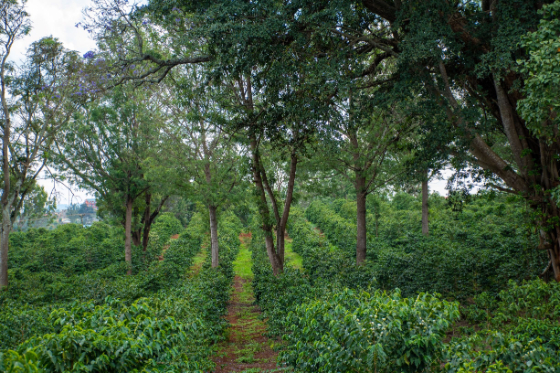
Many of the coffees we buy are grown using organic methods, no synthetic pesticides or fertilisers, natural pest management, traditional composting. But the farms themselves often don’t hold formal organic certification. Certification is expensive and bureaucratic, and for many smallholder producers, especially in Honduras and Peru where we source two of our main coffees, the cost of certifying simply isn’t worth it relative to the premium it would earn them. A farm can be growing organically in every practical sense and still not carry the paperwork to prove it.
We also buy coffees that are grown conventionally, which means, honestly, that 80 Stone as a company could never qualify for an organic certification even if every one of our organic-practice farms went through the certification process. We’re not going to chase a label we can’t earn.
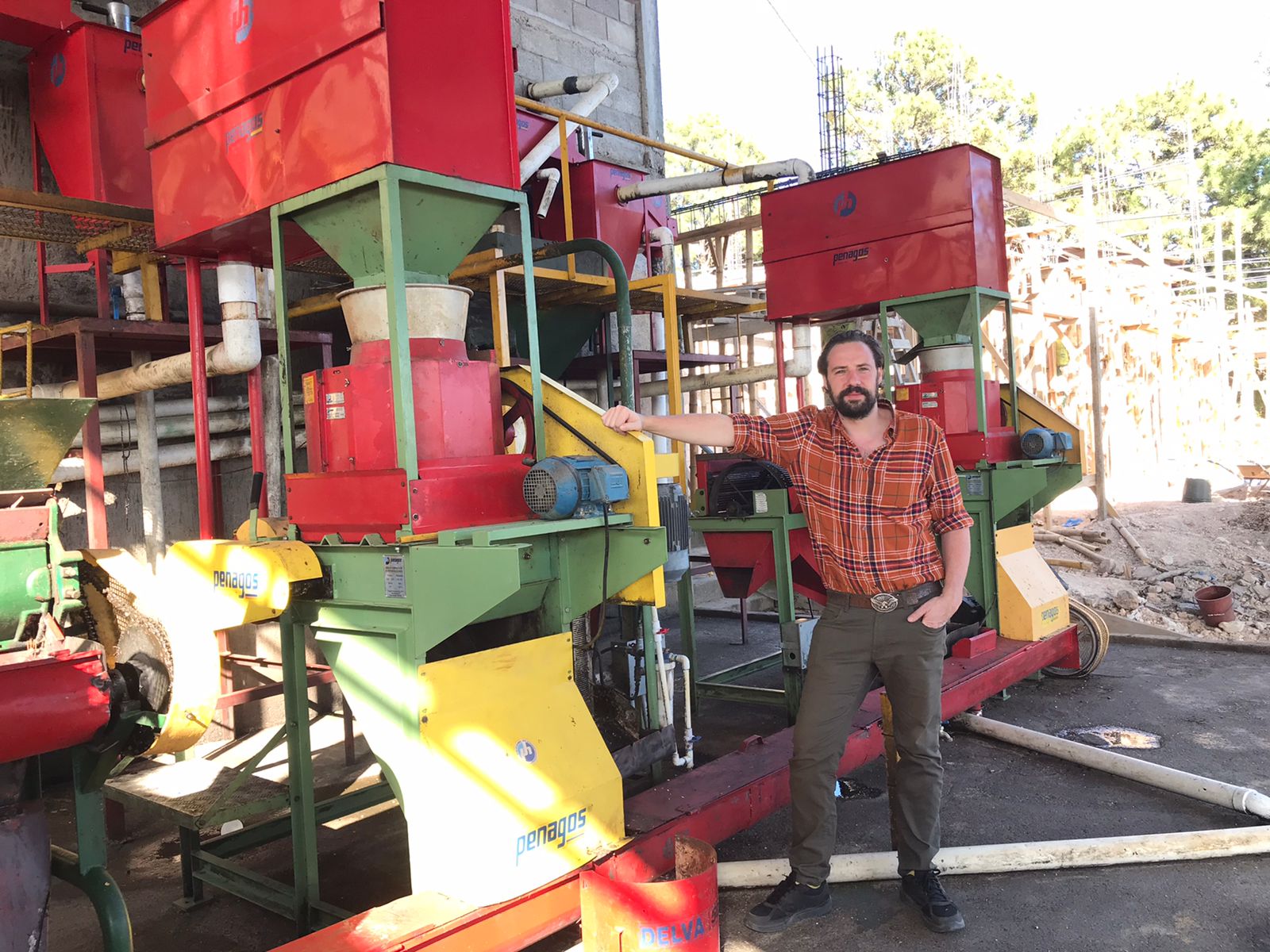
What matters more to us than a certificate is knowing how our coffee is actually grown. That’s why we’ve visited our main producer in Honduras directly, to see their farming and processing practices first-hand rather than take a label’s word for it. We’d rather build direct relationships with growers and understand their practices than pay for a badge that tells only part of the story.
Our Carbon Footprint & Offsetting Plan
📢 Update 2026: For the first time, we’ve calculated 80 Stone’s full carbon footprint: not just the emissions from our roastery, but the emissions embedded in the coffee itself and how it reaches you. Most UK coffee businesses that talk about carbon only count their own operations (Scope 1 and 2). We wanted to count everything, including the biggest and hardest part: our green coffee supply chain (Scope 3). As a general rule, 1 kg of coffee emits about 11 kg of CO2 equivalents from origin to roastery.
Our total footprint comes to roughly 325 tonnes of CO2e a year, of which our own roastery operations are just over 1%. The rest is embedded in growing and shipping the coffee itself. We think that’s an important number to be honest about, not hide.
We’re now offsetting this on a rising schedule: 25% in the first year, increasing every year until we reach 100% by 2032, funding certified projects through our green coffee importer Algrano and their carbon partner Squake. We’ve chosen not to pay for a third-party “carbon neutral” certification. We’d rather put that budget straight into the offset projects themselves.
👉🏻 Read our full carbon footprint breakdown and offsetting timeline
Turning Surplus Into Something Worth Brewing
Even with careful planning, coffee roasting can create surplus. Rather than letting perfectly good speciality coffee go to waste, we created What a Waste!. A blend made using surplus roasted coffees from our production.
Green Mark Scheme
Between 2024 and 2026, we took part in the Green Mark Scheme, run in partnership with Sutton Council, as part of a two-year commitment to formalise how we manage our environmental impact.
Being part of the scheme helped us put real structure around things we were already trying to do informally: tracking our gas and electricity usage, monitoring waste more carefully, and putting staff training in place so that sustainable practice wasn’t just down to one or two people remembering to do it. It gave us a framework and an outside check, rather than just our own word for it.
We’re no longer an active participant in the scheme, but the habits it helped us build (such as utility monitoring, waste tracking, staff awareness) have stayed part of how we run the roastery, and fed directly into the carbon footprint work below.
Our Environmental Policy
We’re committed to reducing our environmental impact and improving our sustainability practices year on year. As a business that depends on healthy farms and a healthy climate, this isn’t optional for us.
What we’re focused on:
- Cutting our own emissions — monitoring and reducing the gas we use for roasting and the electricity we use across the warehouse and office.
- Offsetting what we can’t yet eliminate — we’ve calculated our full carbon footprint (Scope 1, 2 and 3) and committed to a seven-year schedule to offset it in full by 2032, funding certified projects.
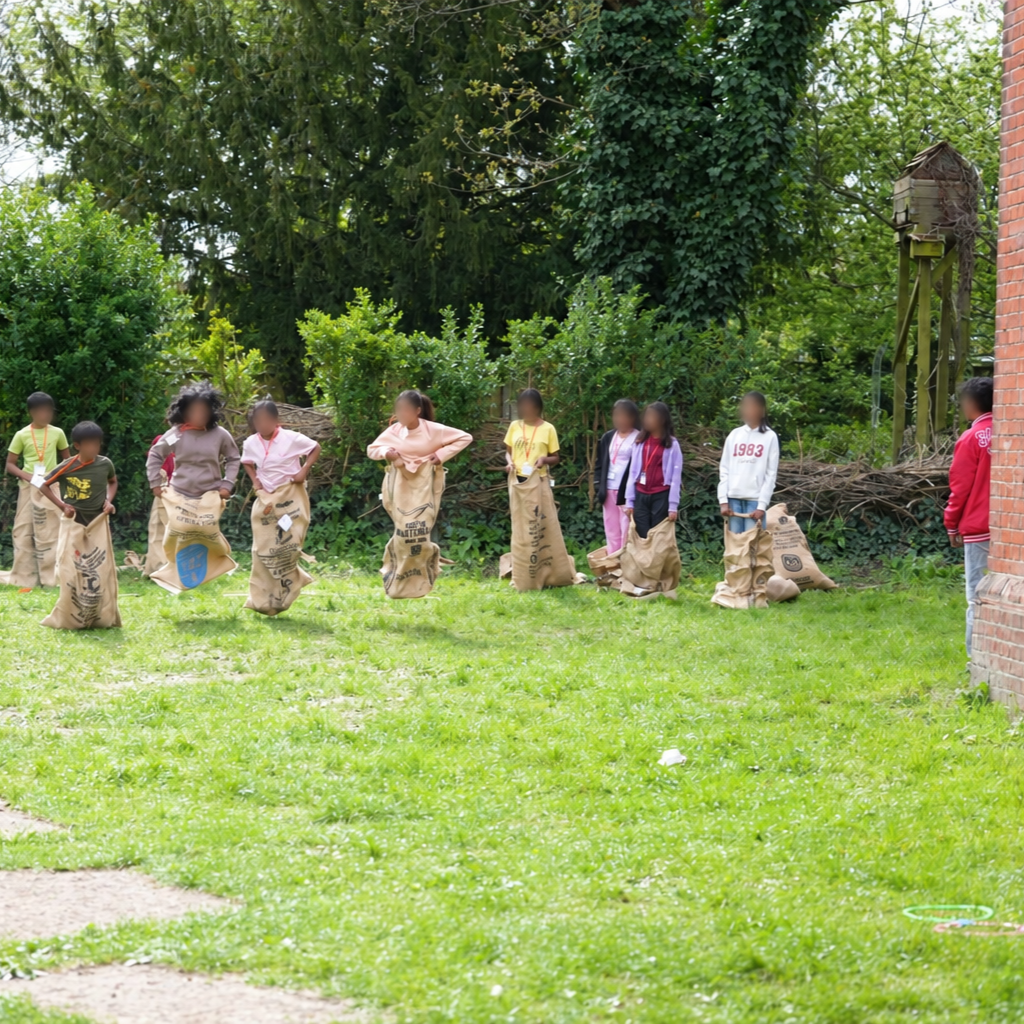
- Reducing waste, not just recycling it — we reuse jute sacks and plastic bags (donating them locally rather than binning them), reuse cardboard boxes for shipping, and recycle everything else we can: cardboard, plastic, aluminium, glass.
- Sustainable packaging — our retail bags are compostable, and we keep researching better options as they become available.
- A responsible supply chain — working with partners who share our standards, and staying aware of the impact of couriers, shipping and packaging beyond our own four walls.
- Staying compliant and accountable — following all relevant environmental legislation and Green Mark requirements, and reviewing this policy every year.
- Bringing our team with us — training staff on the practical stuff (turning off equipment, recycling correctly, cutting waste) so this isn’t just a management-level commitment.
We know where our impact comes from: our roaster, our energy use, our waste, and further afield, our couriers and the shipping of our green coffee. Our Managing Directors are responsible for making sure this policy is actually followed, but every member of the team plays a part.