FREE HOME DELIVERY ON ORDERS OVER £30 • SAME DAY SHIPPING WHEN YOU ORDER BY 12PM
FREE HOME DELIVERY ON ORDERS OVER £30
SAME DAY SHIPPING WHEN YOU ORDER BY 12PM
FREE HOME DELIVERY ON ORDERS OVER £30 • SAME DAY SHIPPING WHEN YOU ORDER BY 12PM
FREE HOME DELIVERY ON ORDERS OVER £30
SAME DAY SHIPPING WHEN YOU ORDER BY 12PM
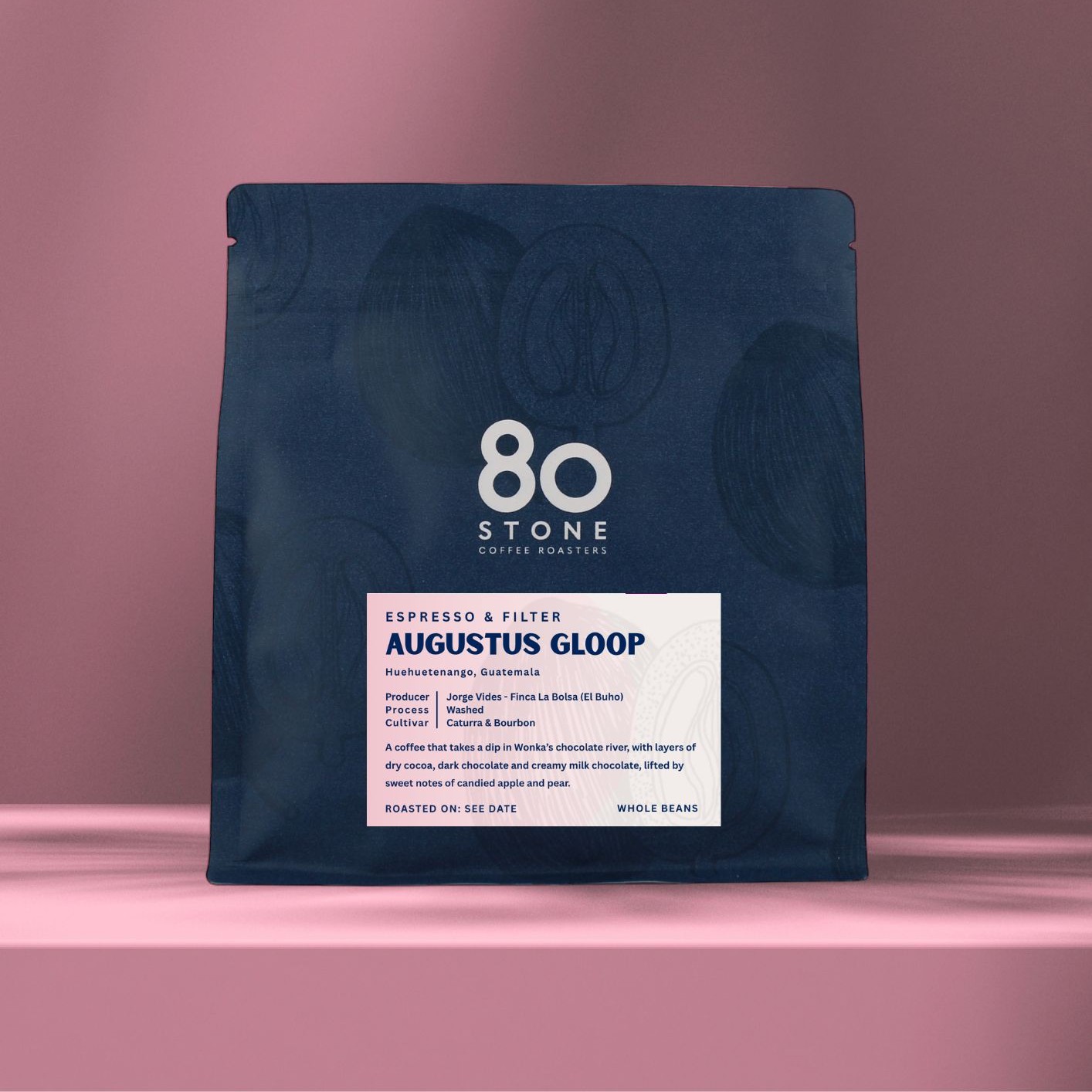
Previously featured in our Eighty Brews subscription, where we rotate a different coffee every month, we had some stock left and couldn’t be more excited to bring it back. And with a coffee this chocolatey, the name felt pretty appropriate.
We’ve been enjoying this one brewed as a filter and as a long black. We find that pushing the extraction a little further really brings out the best in it, so try grinding a little finer and allowing the brew to run slightly longer than you normally would. This brings out even more of the dark chocolate character, almost like drinking a hot chocolate.
Body
Acidity
Tasting notes
Roast level
For consistent results, we recommend brewing with measured inputs rather than estimating by eye. Always use a digital scale to weigh both your coffee dose and water. As a baseline, use a brew ratio of 60–70g of coffee per litre (1000g) of water. This range can be adjusted depending on the brewing method, water composition, and the specific coffee you’re working with. Control your variables, make small adjustments, and use taste to guide your final recipe.
Consistency in espresso comes from working within the parameters of your equipment. Use the dose recommended for your basket (usually marked on the side or provided by the manufacturer) and keep it consistent. As a starting point, aim for a brew ratio of around 1:2 — for example, 18g of coffee yielding 33–35g of espresso in the cup. Target an extraction time of 22–30 seconds, with a brew water temperature between 93–95°C. From there, adjust grind size to control flow and use taste to fine-tune the result.
For method-specific guidance, you can find all of our brew guides here.
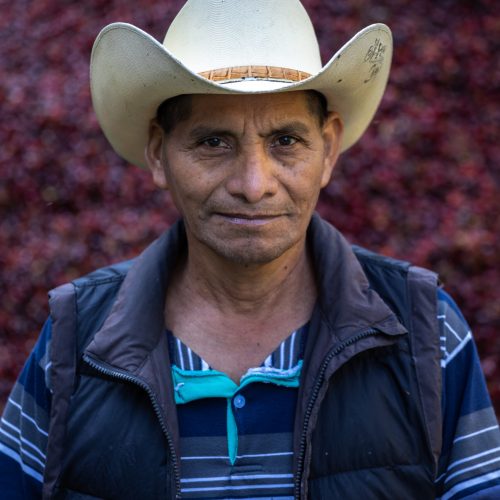
This lot is made up of San Ramon & Caturra grown on the El Buho plot, located within the farm Las Terrazas, which is part of Finca La Bolsa in Huehuetenango. The lot takes its name from the location of the plot itself—on the edge of the native forest—where at night you can hear owls. Hence the name *El Buho*, which in Spanish means “The Owl.”
Finca La Bolsa was bought by Jorge Vides, a distinguished medical professional, in 1958. Prior to this, the land was not used for coffee production. Jorge won a number of awards for coffee production and for his services to the Huehuetenango region, and the main hospital in the coffee-growing community was named after him. In 2002, La Bolsa competed in the Cup of Excellence competition and placed second, scoring 94.98.
La Bolsa sits between two mountains, which provide a very stable, humid microclimate. Combined with the limestone-rich soils, this gives the coffee a unique profile, with a rich, syrupy body and plenty of malic and citric acidity. Coffee is fermented for between 18 and 24 hours, then cleaned of mucilage, graded in channels, and soaked overnight.
La Bolsa is RFA-certified and follows C.A.F.E Practices guidelines. Coffee Care funded the construction of a school and nursery on the farm, staffed with fully trained, full-time teachers. All temporary and permanent staff have access to schooling for their children and are incentivized to leave their children at school or nursery through food donations. When a child attends school or nursery for five consecutive days, the family receives a weekly supply of rice, beans, and corn.
Before this food ration scheme, it was difficult to persuade parents to leave their children in the care of others, as schooling was not always valued and there was greater pressure to earn money to feed the family. As a result of the program, there are now no children working on the farm, and the school and nursery classes are full.
Accommodation is provided for both permanent and temporary workers, with separate facilities for men, women, and families, as well as bathrooms and kitchens. Sections of the farm are designated as conservation areas to promote biodiversity, reduce wind exposure, and prevent soil erosion. Inga trees are used as shade trees and to fix nitrogen in the soil, which is essential for plant and cherry growth. Renardo also runs an expansive composting operation to make use of waste products, using red worms.
Always the best choice. Grind at home for maximum freshness and full control over your coffee.
Our coarsest grind. Ideal for Cafetiere, Chemex, Cold Brew, and Batch Brew.
Works well for cone brewers like V60, and flat-bottom brewers like Kalita or other pour-over brewers.
A finer grind suited to Moka pots, AeroPress, and most domestic espresso machines with pressurised baskets.
Very fine and intended for commercial espresso machines. For best results, grinding fresh is recommended.